
Spam calls are a significant issue for Minnesota residents, with scammers using automated systems to bypass blocking methods. To combat this, residents can:
– Register on national "Do Not Call" lists.
– Install reputable call-blocking apps and hardware filters.
– Update blocking rules regularly.
– Recognize common spam patterns.
– Report scam calls to authorities.
– Share information with authorities to aid pattern tracking.
By combining these strategies, Minnesota residents can reclaim control over their communication channels and reduce spam calls naturally.
Spam calls are a pervasive and increasingly sophisticated nuisance, affecting millions worldwide, including folks here in Minnesota. These unwanted phone attacks not only disrupt our daily lives but also exploit our personal information. As technology advances, so do the methods of spammers, making it more challenging for residents to protect themselves. However, understanding these tactics is the first step to regaining control. This guide offers a comprehensive strategy on How to Stop Spam Calls Minnesota, empowering residents with the knowledge and tools to defend their privacy in today’s digital age.
Understanding Spam Calls in Minnesota: The Basics

Spam calls, a ubiquitous and often frustrating phenomenon, impact millions of Americans daily. In Minnesota, as in many states, these unwanted phone solicitations can range from pre-recorded marketing messages to persistent sales pitches from live agents. Understanding how spam calls operate is the first step towards reclaiming control over your communications.
Minnesota residents face unique challenges due to the state’s thriving telecom industry and high mobile penetration rates. Scammers exploit these factors by using sophisticated techniques to bypass traditional blocking methods. They employ automated systems that dial thousands of numbers simultaneously, making it difficult for individuals to distinguish legitimate calls from spam. While federal laws like the Telephone Consumer Protection Act (TCPA) offer some protection, keeping pace with evolving spam call tactics requires proactive measures.
To stop spam calls in Minnesota naturally, residents can employ several effective strategies. One approach involves registering on national “Do Not Call” lists. The National Do Not Call Registry, maintained by the Federal Trade Commission (FTC), allows individuals to opt-out of most telemarketing calls. However, it’s important to note that some spam calls bypass these lists due to their automated nature. Installing reputable call-blocking apps and hardware filters can significantly reduce unwanted calls. These tools learn from user feedback and adapt to block known spam sources. Regularly reviewing and updating blocking rules ensures optimal protection.
Additionally, educating yourself about common spam call patterns can empower you to identify and avoid them. Recognizing suspicious numbers, unusual calling times, or repetitive messages from unknown sources are key indicators. Sharing this information with local law enforcement and reporting scam calls to relevant authorities contributes to a collective effort to combat spam. By combining these strategies, Minnesota residents can reclaim their communication channels and enjoy greater peace of mind in an increasingly digital world.
Identifying Sources & Types of Spam Calls
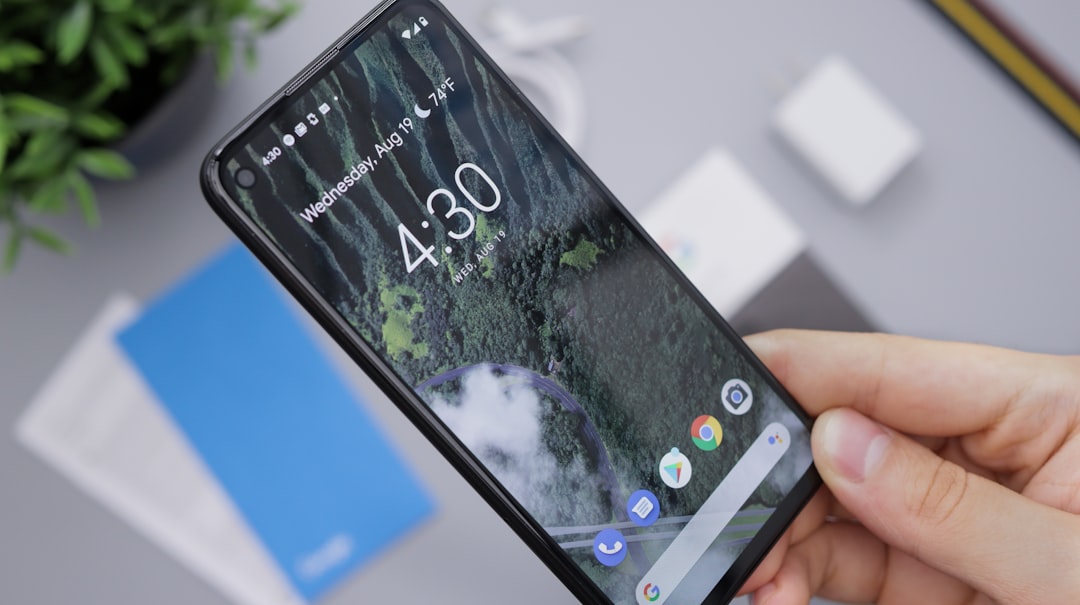
Spam calls are a pervasive problem for many Minnesota residents, but understanding their sources and types is the first step towards effective mitigation. These unwanted phone calls often originate from automated systems or call centers that employ various tactics to deceive and capture your attention. Common types include sales pitches for products or services, fraudulent schemes, and even political campaigns. For instance, a recent study by the Federal Trade Commission (FTC) revealed that over 45 million spam calls were placed in Minnesota alone last year, highlighting the urgency of addressing this issue.
Identifying the sources of these calls can be challenging due to advanced technologies employed by spammers. They often use Voice over Internet Protocol (VoIP) services, which allow them to mask their true locations and make it difficult for traditional blocking methods to keep up. However, Minnesota residents can employ some practical strategies to recognize and reduce spam calls. One effective method is to cross-reference the caller ID with known legitimate business numbers or official government contacts. For instance, if a call claims to be from your bank but the number doesn’t match your records, it’s likely spam. Additionally, many phone service providers offer call blocking features tailored for specific regions, leveraging local data to filter out common spam sources.
How to Stop Spam Calls Minnesota naturally involves adopting a multi-layered approach. Residents should update their privacy settings on all devices and social media platforms, limiting personal information exposure. Reporting spam calls to both state and federal authorities is crucial; this data helps in tracking patterns and identifying recurring offenders. Using specialized apps that block or screen such calls can also be beneficial, especially those designed to recognize and filter local spam sources. By combining these strategies, Minnesota residents can reclaim their phone lines from unwanted intrusions, ensuring a safer and more peaceful communication experience.
Legal Rights and Options for Residents

Minnesota residents face a growing challenge with the rise of spam calls, which can be particularly frustrating and intrusive. Understanding your legal rights and available options is essential to combat this issue effectively. Federal and state laws empower individuals to take action against unwanted telephone solicitations. The Telephone Consumer Protection Act (TCPA) at the federal level and Minnesota’s own consumer protection laws offer significant protections.
One of the primary steps residents can take is to register their phone numbers on the National Do Not Call Registry. This federal registry helps block calls from known telemarketers, though it does not stop all spam calls as some unscrupulous callers bypass these lists. The Minnesota Attorney General’s Office also advises individuals to document and report suspicious or harassing calls, providing evidence that can aid in legal actions against persistent spammers. When dealing with repeated spam calls, residents can file complaints with the Federal Trade Commission (FTC) and the Minnesota Department of Commerce, which monitor and enforce consumer protection regulations.
Additionally, Minnesota residents have several practical tools at their disposal. How to Stop Spam Calls Minnesota involves utilizing call-blocking apps and features offered by phone service providers. Many modern smartphones have built-in options for blocking specific numbers or types of calls. Residents can also customize these settings to filter out spam more effectively. Keeping contact information private is crucial; residents should refrain from sharing their phone numbers publicly, especially on social media platforms, to reduce the likelihood of being targeted by spammers.
How to Block Spam Calls Effectively

Spam calls are a pervasive problem for many Minnesota residents, but effective blocking strategies can significantly reduce their frequency. The first step in How to Stop Spam Calls Minnesota is to understand the types of calls you’re encountering. Common spam call categories include marketing messages from companies trying to sell products or services, phone scams aiming to steal personal information, and prerecorded messages promoting various services. Identifying these patterns helps tailor blocking methods accordingly.
One powerful tool in your arsenal is the National Do Not Call Registry. Enrolled consumers are less likely to receive unwanted calls. However, it’s crucial to note that this registry has limitations; it doesn’t stop all spam calls, especially those utilizing automated dialing systems or number spoofing. For more robust protection, consider downloading call-blocking apps designed for Android and iOS devices. These applications learn to recognize and block spam based on user reports and dynamic databases. Examples include TrueCall, Hiya, and CallBlock, which have proven effective in filtering out unwanted calls.
Additionally, your Minnesota service provider might offer built-in call-filtering features or advanced security plans that can help mitigate spam calls. Review your billing options and consider upgrading to a tier that includes enhanced call protection. Customizing your phone settings is another effective strategy; many modern smartphones allow you to block specific numbers or types of calls. While this method may not stop all spam, it provides an additional layer of defense against persistent unwanted callers. By combining these approaches, Minnesota residents can take a significant step in How to Stop Spam Calls naturally and reclaim control over their communication channels.
Preventing Future Incidents: Staying Protected

Spam calls remain a persistent problem for many Minnesota residents, but there are proactive steps you can take to prevent future incidents and protect yourself from unwanted intrusions. Understanding how to stop spam calls Minnesota is the first line of defense. One effective method involves analyzing call patterns and identifying common traits among these nuisance calls. Many spam calls originate from automated systems that use phone numbers purchased from data brokers, often containing outdated or aggregated contact information. By recognizing these patterns, you can take targeted actions to mitigate their impact.
To enhance your protection, consider implementing robust call screening measures. Utilize the do-not-call lists available from state and federal regulatory bodies, ensuring your number is registered and recognized. Advanced call blocking apps and devices that employ machine learning algorithms can also be highly effective in filtering out spam calls. These tools learn from your interaction patterns and adapt to new threats, providing a dynamic defense against evolving spamming techniques. Regularly updating and maintaining these security measures is crucial to staying ahead of persistent spammers.
Additionally, educating yourself about common scam tactics is an invaluable asset. Stay vigilant for signs of phishing attempts, such as unexpected calls claiming to be from government agencies or financial institutions requesting personal information. Never disclose sensitive data unless you have independently verified the caller’s identity and legitimacy. Sharing awareness within your community can create a collective defense against spamming campaigns, as knowledge is a powerful tool in combating this persistent digital menace.