
Minnesota's Anti-Spam Call Laws protect residents from unwanted marketing calls through explicit consent requirements, do-not-call lists, and strict regulations on automated systems. A Spam Call law firm Minnesota ensures businesses comply with these rules, offering guidance on training, record-keeping, and audits to avoid penalties. The laws differentiate between consumer and business communications while empowering residents to file complaints and seek damages. By leveraging these protections and registering with the National Do Not Call Registry, Minnesotans can minimize spam calls.
In today's digital age, the constant deluge of unwanted spam calls has become a pressing concern for Minnesota residents. These nuisance calls not only disrupt daily life but also pose privacy risks. To combat this issue, Minnesota has implemented stringent Anti-Spam Call Laws, aiming to protect consumers from intrusive marketing practices. This authoritative article provides an in-depth exploration of these laws, offering valuable insights for individuals and businesses alike. By understanding the regulations and your rights, you can take proactive steps to curb spam calls, ensuring a more peaceful and secure communication environment. Turn to our experienced Spam Call law firm Minnesota for expert guidance on navigating these critical legal provisions.
Understanding Minnesota's Anti-Spam Call Laws

Minnesota's Anti-Spam Call Laws are designed to protect residents from unwanted and deceptive phone calls, offering a robust framework for enforcement. These laws, overseen by the Minnesota Attorney General's Office, prohibit businesses and individuals from making certain types of unsolicited telephone calls, known as spam calls, without prior explicit consent. The definition of spam calls is broad, encompassing marketing, sales, or promotional purposes, often involving automated dialing systems. Violations can lead to significant penalties, including substantial fines and legal action.
Understanding the nuances of these laws is crucial for businesses operating in Minnesota or targeting its residents. Key provisions mandate that callers obtain verifiable consent before making automated calls, with strict rules regarding do-not-call lists and caller identification. For instance, a Spam Call law firm Minnesota can advise on the importance of maintaining accurate records to demonstrate compliance. Companies must also honor requests to stop calling within a reasonable timeframe, typically 24 hours, as per state regulations.
Practical implementation involves comprehensive training for sales and marketing teams, ensuring they are aware of the legal requirements. Using opt-in mechanisms and providing clear, easy-to-follow instructions for opting out is essential to avoid violations. Regular audits and reviews of call records can help identify potential issues. By adhering to these guidelines, businesses can safeguard their operations from legal repercussions while respecting Minnesota's anti-spam call laws.
Who Does the Law Protect: Consumers or Businesses?

Minnesota's Anti-Spam Call Laws were designed with a dual focus on protecting both consumers and businesses from unwanted and nuisance calls. The law, enforced by a Spam Call law firm Minnesota, specifically targets telemarketers and call centers engaging in deceptive or harassing practices. For consumers, this means fewer intrusive robocalls and text messages promoting products or services, especially those marketed without prior consent. Businesses, on the other hand, must adhere to stricter regulations regarding how they initiate contact with potential customers, ensuring a more balanced and respectful approach to sales and marketing efforts.
A key aspect of these laws is the requirement for businesses to obtain explicit consent before placing telemarketing calls or sending text messages en masse. This has significantly impacted direct sales strategies, encouraging companies to focus on targeted, permission-based campaigns. For instance, a Minnesota Spam Call law firm might advise clients to invest in opt-in marketing lists and provide clear, easy-to-follow opt-out mechanisms to avoid penalties. Businesses found guilty of making unwanted calls can face substantial fines, damaging their reputation and impacting future marketing efforts.
Moreover, the laws differentiate between consumer protections and business-to-business communication. While consumers enjoy robust safeguards against unsolicited calls, businesses engaging in B2B interactions have more flexibility but are still bound by rules promoting transparency and respect for recipients' privacy. This nuanced approach ensures that individuals and organizations alike benefit from a reduced volume of spam calls while allowing legitimate business communications to proceed without unnecessary restrictions.
Defining Spam Calls: What Counts as Illegal?
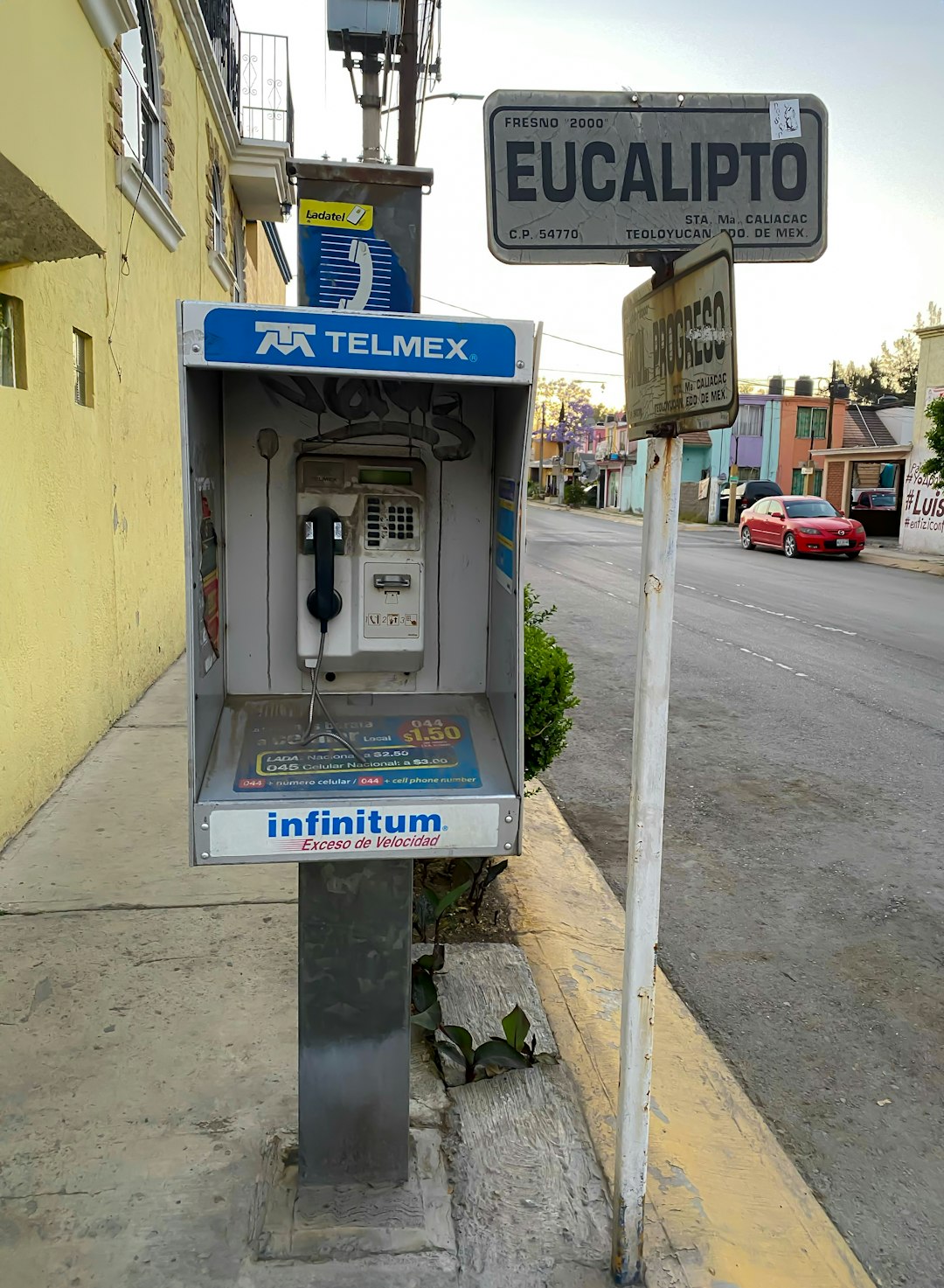
Spam calls, a persistent nuisance for many Minnesota residents, are defined and regulated under the state's Anti-Spam Call Laws. These laws, designed to protect consumers from unsolicited and unwanted telephone marketing practices, outline what constitutes illegal spam calls. The key lies in understanding when a call crosses the line from legitimate sales pitch to intrusive harassment.
Under Minnesota law, a spam call is typically identified by several factors. First, it involves an automated or prerecorded message delivered via telephone, often without the caller's identity clearly disclosed. Second, these calls are usually made en masse, targeting thousands of phone numbers simultaneously, aiming for quick volume over personalized interactions. Third, spam callers frequently ignore do-not-call requests and continue to harass consumers, making it a recurring issue. For instance, a 2022 survey revealed that nearly 75% of Minnesota residents reported receiving spam calls monthly, with many struggling to opt out.
A Spam Call law firm in Minnesota advises that specific content can also elevate a call to spam status. This includes misleading or deceptive language, such as exaggerating product benefits or making false promises. For example, a company claiming "exclusive" or "limited-time" offers when none exist could face legal repercussions. Additionally, calls aimed at selling products or services without disclosing the caller's identity or providing an easy opt-out option are likely to be viewed as spam. Consumers should note that while some sales calls may be legitimate, they must respect individual choices and privacy rights.
Enforcing the Law: Rights of Minnesota Residents

Minnesota residents enjoy robust protections against spam calls thanks to state laws designed to safeguard their privacy and peace of mind. The enforcement mechanisms of these laws are crucial in ensuring compliance and providing recourse for those affected by unwanted phone solicitations. Key to this process is the involvement of a Spam Call law firm Minnesota, specialists equipped with the knowledge and resources to navigate the complexities of these regulations.
When a resident files a complaint with a Spam Call law firm Minnesota, it triggers an investigation into the source of the spam calls. These inquiries often uncover violations of the Minnesota Spam Prevention Act, which prohibits unsolicited phone marketing calls except under specific circumstances. Offenders can face substantial fines and legal repercussions, serving as a deterrent to potential spammers. The law firm plays a vital role in this process by providing expertise in data analysis to trace call origins and gather evidence, ultimately supporting legal actions against violators.
Effective enforcement relies on community participation. Minnesota residents are empowered to take action by registering their phone numbers with the state's Do Not Call Registry. This proactive measure significantly reduces spam calls, demonstrating the collective impact of individual efforts. Moreover, reporting spam calls to a Spam Call law firm Minnesota not only helps in stopping persistent invaders but also contributes to a robust legal case against major telemarketing operations engaging in widespread illegal practices. By combining community vigilance and expert legal support, Minnesota continues to set an example for comprehensive anti-spam call legislation.
Legal Recourse for Victims of Spam Call Law Firm Minnesota

In Minnesota, victims of Spam Call law firm activities have legal recourse available to them, offering a sense of justice and protection within the state's strict regulations against unsolicited calls. The Minnesota Attorney General's Office plays a pivotal role in enforcing these laws, ensuring that businesses and individuals comply with the Anti-Spam Call Laws. When a resident encounters persistent or abusive spam calls, they can file a complaint with the Attorney General's Office, which investigates and takes appropriate action. This process empowers citizens to stand against aggressive marketing tactics.
Legal remedies for victims include seeking damages for each violation of the Spam Call law firm Minnesota regulations. The state allows individuals to recover up to $500 for each unauthorized call, demonstrating a strong stance against violators. Furthermore, Minnesota's laws enable victims to obtain court orders compelling telephone service providers to block specific numbers associated with spam calls. This measure serves as both a deterrent and a form of relief for those affected by relentless telemarketing. For instance, in 2022, the Attorney General's Office successfully pursued legal action against several companies, resulting in substantial fines and agreements to cease and desist from making unauthorized calls.
Practical advice for victims is to document all interactions with suspected spam call law firms. Keeping records of call times, numbers, and any associated marketing materials can significantly aid in formal complaints. Additionally, utilizing telephone service provider tools to block unknown numbers and registering for the National Do Not Call Registry are proactive steps that can help mitigate unwanted calls. By combining these measures with legal knowledge of Minnesota's Anti-Spam Call Laws, residents can effectively protect their privacy and assert their rights as consumers.